
Call: 08045802289
 Send Inquiry
 Send Inquiry
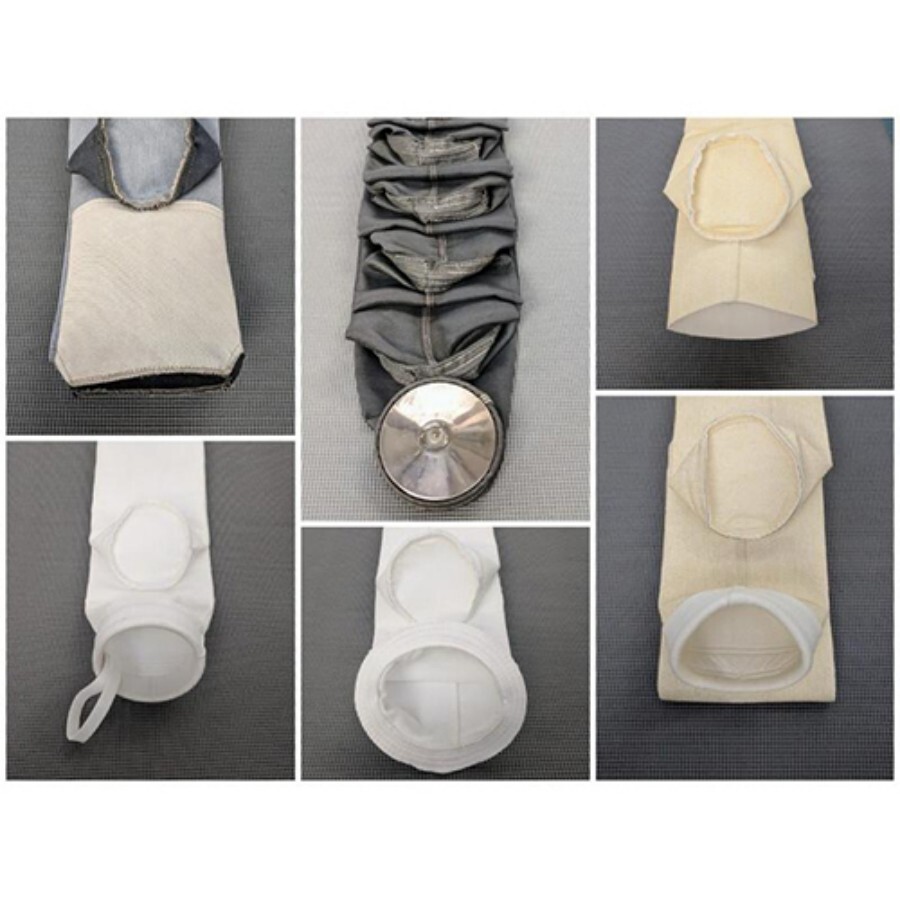
Fibreglass Filter Cloth Woven Filter Bags
Price 1200.0 INR/ Piece
MOQ : 100 Pieces
Fibreglass Filter Cloth Woven Filter Bags Specification
- Resistance
- Resists tearing under high airflow and pressure
- Efficiency (%)
- 100 %
- Usage
- Industrial
- Type
- Woven Filter
- Material
- Fiber Glass
- Size
- Various available
- Color
- Black, Cream or Grey
Fibreglass Filter Cloth Woven Filter Bags Trade Information
- Minimum Order Quantity
- 100 Pieces
- FOB Port
- KOLKATA
- Payment Terms
- Cash in Advance (CID)
- Supply Ability
- 5000 Pieces Per Month
- Delivery Time
- 3 Week
- Sample Policy
- Contact us for information regarding our sample policy
- Main Domestic Market
- All India
About Fibreglass Filter Cloth Woven Filter Bags
1. Basic Material Specification Parameter Typical Specification Fiber Type E-Glass or C-Glass continuous filament Weave Style Plain weave / Twill weave / Satin (22, 31, 44) Fabric Weight (GSM) 350 1250 GSM depending on style Thickness 0.3 1.2 mm Yarn Count 624 Tex (warp & weft; varies by design) Color White / Off-white Finish Heat-cleaned, singed, calendered, PTFE dipping, silicone/graphite/oil repellent, acid-resistant finish 2. Temperature Resistance Property Value Continuous Temperature 260280C Peak Temperature 300320C (short duration) Softening Point 840C Melting Point 1400C Fiberglass is the most economical high-temperature filtration fabric compared to aramid, PPS, and PTFE. 3. Mechanical & Physical Properties Property Typical Range Tensile Strength (warp/weft) 2,0004,000 N/5 cm (depends on GSM & weave) Burst Strength High in woven structure; varies by finish Shrinkage @ 250C Flex Resistance Low (must be protected with coatings to resist vibration cracking) Abrasion Resistance ModerateLow; improved via PTFE/graphite coatings 4. Chemical Resistance Chemical Type Resistance Acids Moderate (requires acid-resistant coating) Alkalis Poor (fiberglass is attacked by alkali) Oxidation Good Hydrolysis Not affected by moisture Oils / Solvents Good Important: Moist alkaline environments + high temperature = accelerated fiberglass degradation. 5. Surface Finishes (Critical for Performance) Fiberglass always needs a finish to protect fibers and improve cake release. Finish Purpose PTFE Dipping / PTFE Coating Improves flex life, chemical resistance, emissions control Graphite Coating Reduces friction, helps cake release Silicone Finish Moisture resistance Acid Resistance Finish For SOx-rich or acidic flue gas Oil & Water Repellent For sticky dust environments 6. Air Permeability (at 200 Pa) (Depends on weave, GSM, calendering) Fabric Type Typical Air Permeability Plain Weave, 550700 GSM 3 12 m/m/min Twill Weave, 600800 GSM 2 10 m/m/min Satin Weave 8H / 4H (most common for bags) 0.5 5 m/m/min PTFE-coated 0.2 3 m/m/min Satin weave is preferred for filter bags because it offers smoother surface and better cake release. 7. Applications Fiberglass woven fabric is used in: A. Cement industry Kiln/raw mill baghouse Clinker cooler baghouse Coal mill (high temp sections) B. Metallurgy & smelters Lead / zinc / copper smelters Ferro-alloys furnaces Aluminum & steel melting C. Power & Energy Coal-fired boiler FF Biomass boiler (dry gas zones) D. Chemical & Industrial furnaces Carbon black industry Incinerators Lime kilns 8. Advantages Excellent high-temperature capability (260C continuous) Dimensional stability Low shrinkage Good filtration efficiency at low air permeability Cost-effective vs P84/PPS/PTFE 9. Limitations Poor alkali resistance Low flex resistance risk of bag cracking (Always use PTFE/graphite treatments) Needs careful handling during installation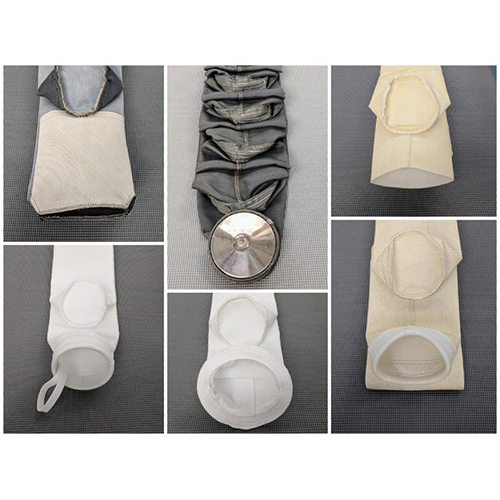
Tell us about your requirement

Price:
Quantity
Select Unit
- 50
- 100
- 200
- 250
- 500
- 1000+
Additional detail
Mobile number
Email

More Products in Filter Bags Category
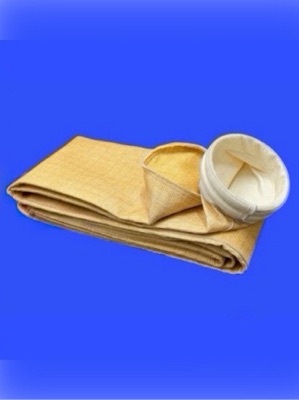
Homopolymer Acrylic Non Woven Filter Bags
Price 450 INR / Unit
Minimum Order Quantity : 500 Units
Resistance : Resists tearing under high airflow and pressure
Usage : Industrial
Efficiency (%) : 100 %
Color : Cream
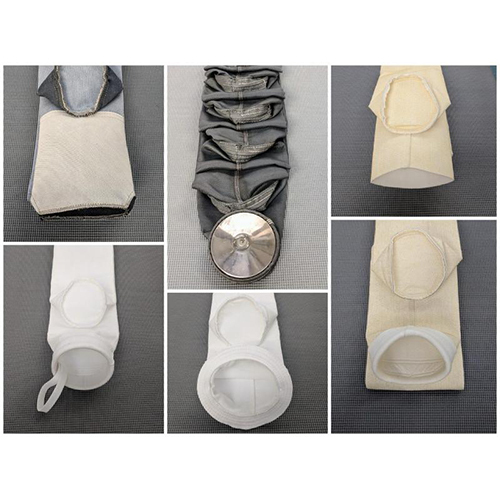
Meta Aramid Non Woven Filter Bags
Minimum Order Quantity : 100 Units
Resistance : Resists tearing under high airflow and pressure
Usage : Industrial
Efficiency (%) : 100 %
Color : Grey, White, off White
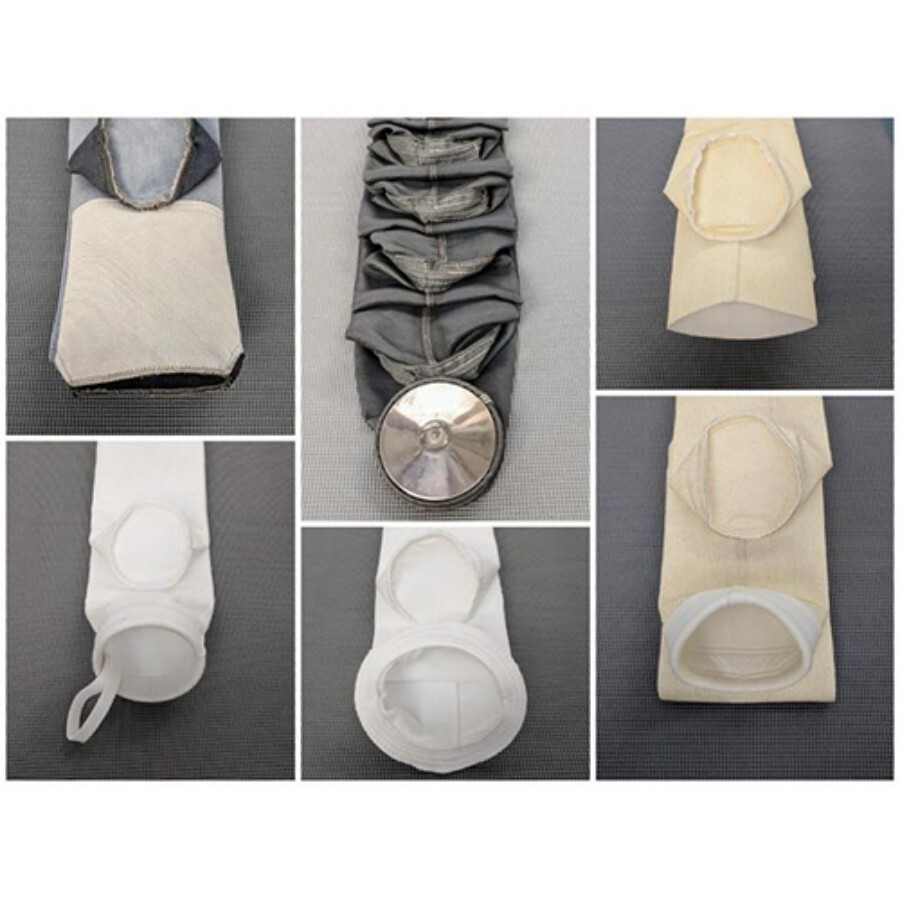
PTFE Non Woven Filter Bags
Minimum Order Quantity : 100 Units
Resistance : Resists tearing under high airflow and pressure
Usage : Industrial
Efficiency (%) : 100 %
Color : Grey, White, off White
Polyacrylonitrile Non Woven Filter Bags
Price 400 INR / Unit
Minimum Order Quantity : 100 Units
Resistance : Resists tearing under high airflow and pressure
Usage : Industrial
Efficiency (%) : 100 %
Color : Grey, White, off White

Contact Details
Hitemp Filters
GST : 19AABCH0556J1ZJ
- 1/s, Chatubabu Lane,Kolkata - 700014, West Bengal, India
- Phone :08045802289
 Send Inquiry
Developed and Managed by Infocom Network Private Limited.
