Call: 08045802289
 Send Inquiry
 Send Inquiry
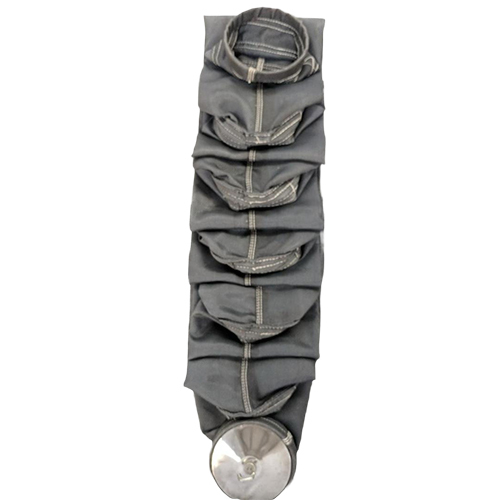
Polyester NonWoven Filter Bags
Price 150 INR/ Unit
MOQ : 100 Units
Polyester NonWoven Filter Bags Specification
- Efficiency (%)
- 100 %
- Resistance
- Resists tearing under high airflow and pressure
- Usage
- Industrial
- Material
- Other
- Size
- Various available
- Thickness
- Various Millimeter (mm)
- Color
- White
- Working Temperature
- As per industry standard Celsius (oC)
Polyester NonWoven Filter Bags Trade Information
- Minimum Order Quantity
- 100 Units
- Payment Terms
- Cash in Advance (CID)
- Supply Ability
- 5000 Units Per Month
- Delivery Time
- 7 Days
- Main Domestic Market
- All India
About Polyester NonWoven Filter Bags
FEATURES & BENEFITS OF NONWOVEN POLYESTER FILTER BAGS 1. Material Characteristics (Polyester Fibre Properties) Features Continuous temperature resistance: up to 130C (peaks to ~150C). Good mechanical strength: excellent tensile and abrasion resistance. Hydrophobic fibre: low moisture absorption. Chemically stable: suitable for mildly acidic and mildly alkaline environments. Available with different surface finishes: singed, glazed, calendered, or PTFE-coated. Benefits Reliable performance in ambient to moderate temperature dust applications. Longer life due to robust mechanical strength, especially in high-dust-load systems. Reduced blinding and moisture-related issues. Economical solution with wide compatibility across industries. 2. Nonwoven Needlefelt Structure (3D Filtration Matrix) Features Three-dimensional pore structure from needle-punching. High porosity with controlled permeability. Gradual depth filtration rather than only surface filtration. Benefits High dust-holding capacity, leading to fewer cleaning cycles. Better capture of fine particulate (220 microns depending on finish). Lower energy consumption due to stable differential pressure. More efficient filtration compared to woven fabrics. 3. Surface Treatments (Optional Enhancements) Features Singeing: burns loose fibres on the surface. Glazing / Calendering: compresses and smoothens the surface. Oil & water repellent treatments. PTFE or acrylic coating for anti-stick performance. Benefits Reduced dust penetration into the felt lower DP rise, longer service life. Easier dust release during pulse-jet cleaning. Improved performance in sticky, hygroscopic or oily dust applications. Option to achieve lower emission values (<3040 mg/Nm when PTFE laminated). 4. Cost-Effectiveness Features Widely available and easy to fabricate. Lower cost compared to meta-aramid, PPS, acrylic, PTFE, etc. Benefits Best value for money for low to moderate temperature filtration. Ideal for large baghouses with high bag quantities. 5. Compatibility Across Baghouse Types Features Can be made in any style: snap band, raw top, collar, ring top. Suitable for pulse-jet, shaker, and reverse-air systems. Benefits Flexible for OEM replacements and retrofits. Lower lead time and easy to install. 6. Typical Industrial Applications Cement grinding & packaging Rice mills, food processing Woodworking industry Metal processing & welding fume General dust extraction Pharmaceuticals Minerals and chemicals (non-corrosive, non-high temp) SUMMARY TABLE Parameter Typical Polyester Filter Bag Performance Max Continuous Temperature 130C Chemical Resistance Mild acids & alkalis, good oxidants resistance Filtration Efficiency 5080 mg/Nm (standard), <3040 mg/Nm with PTFE membrane Air Permeability 1035 m/m/min (varies by GSM & finish) Typical GSM Range 500600 GSM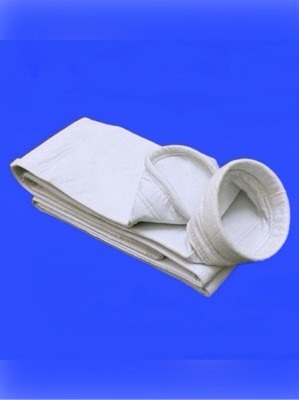
Tell us about your requirement

Price:
Quantity
Select Unit
- 50
- 100
- 200
- 250
- 500
- 1000+
Additional detail
Mobile number
Email

More Products in Dust Collector Filter Bags Category
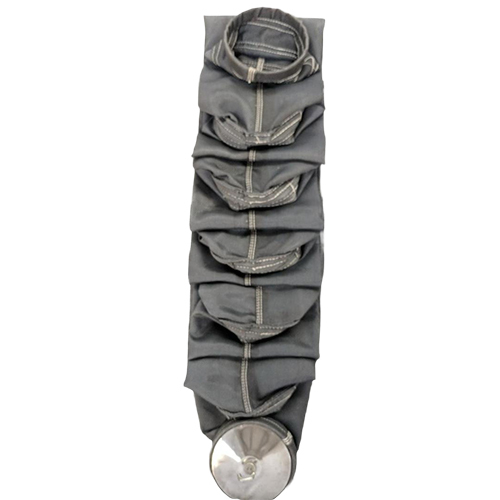
Homo Polymer Non Woven Filter Bags
Minimum Order Quantity : 100 Units
Usage : Industrial
Working Temperature : As per industry standard Celsius (oC)
Thickness : Various Millimeter (mm)
Efficiency (%) : 100 %
Material : Other, Homo Polymer Non Woven
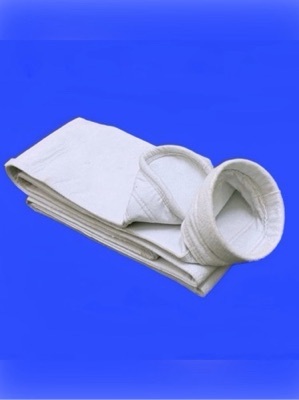
Non Woven Filter Bags
Minimum Order Quantity : 100 Units
Usage : Industrial
Working Temperature : As per industry standard Celsius (oC)
Thickness : Various Millimeter (mm)
Efficiency (%) : 100 %
Material : Other, Polyester Woven
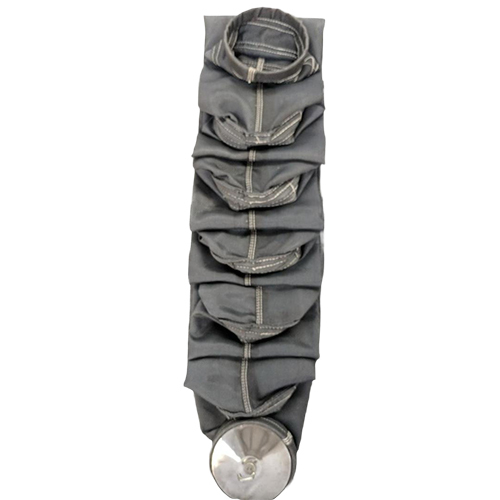
TeflonNon Woven Filter Bags
Minimum Order Quantity : 100 Units
Usage : Industrial
Working Temperature : As per industry standard Celsius (oC)
Thickness : Various Millimeter (mm)
Efficiency (%) : 100 %
Material : Other, TeflonNon Woven
Polypropylene Non Woven Filter Bags
Minimum Order Quantity : 100 Units
Usage : Industrial
Working Temperature : As per industry standard Celsius (oC)
Thickness : Various Millimeter (mm)
Efficiency (%) : 100 %
Material : Other, Polypropylene Non Woven

Contact Details
Hitemp Filters
GST : 19AABCH0556J1ZJ
- 1/s, Chatubabu Lane,Kolkata - 700014, West Bengal, India
- Phone :08045802289
 Send Inquiry
Developed and Managed by Infocom Network Private Limited.
